
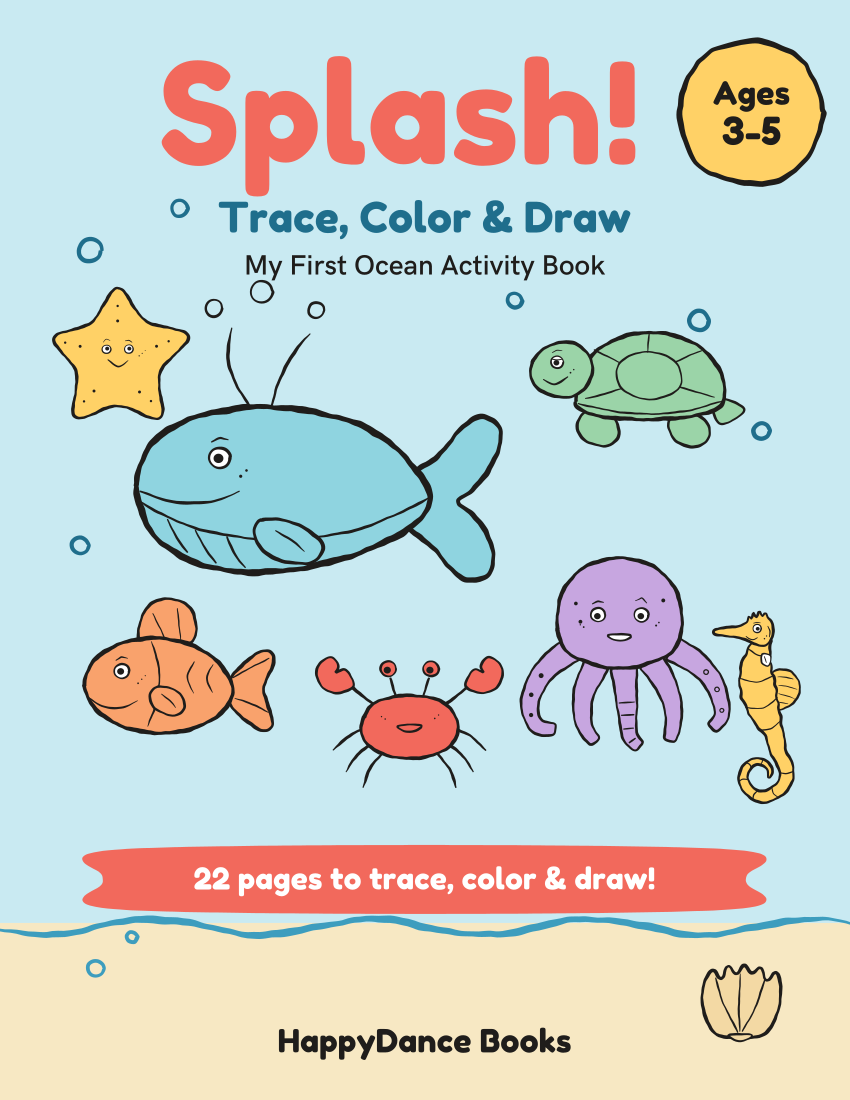
Splash!
Trace, Color & Draw — My First Ocean Activity Book
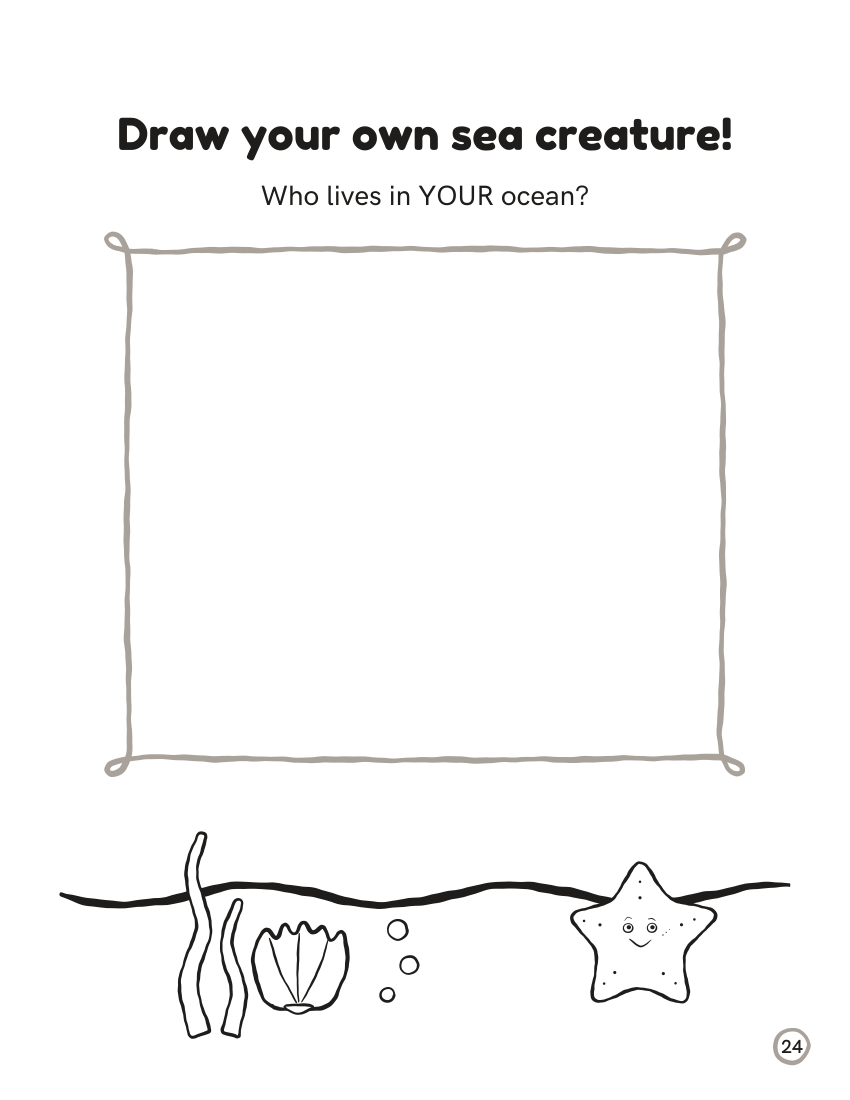
Splash! is an ocean full of friendly faces. A whale with a wide smile, a crab on stalk eyes, a seahorse curled like a question mark. Every page asks for a different kind of mark: fill in a bold shape, trace a wavy line, copy a shell into an empty box, or draw a sea creature of your own.
The lines start big and bold near the front and grow finer toward the back. That progression is deliberate. It follows the way a child's crayon grip actually develops between three and six, which occupational-therapy researchers have documented on a fairly steady timetable.
There is no scoring here and no staying inside the lines. Scribbles count. Going outside the lines counts.
- Big, bold lines sized for little hands
- Trace waves, circles, zig-zags, and loops
- Copy shapes and draw your own creatures
- Lines grow finer as little grips grow
Inside the book
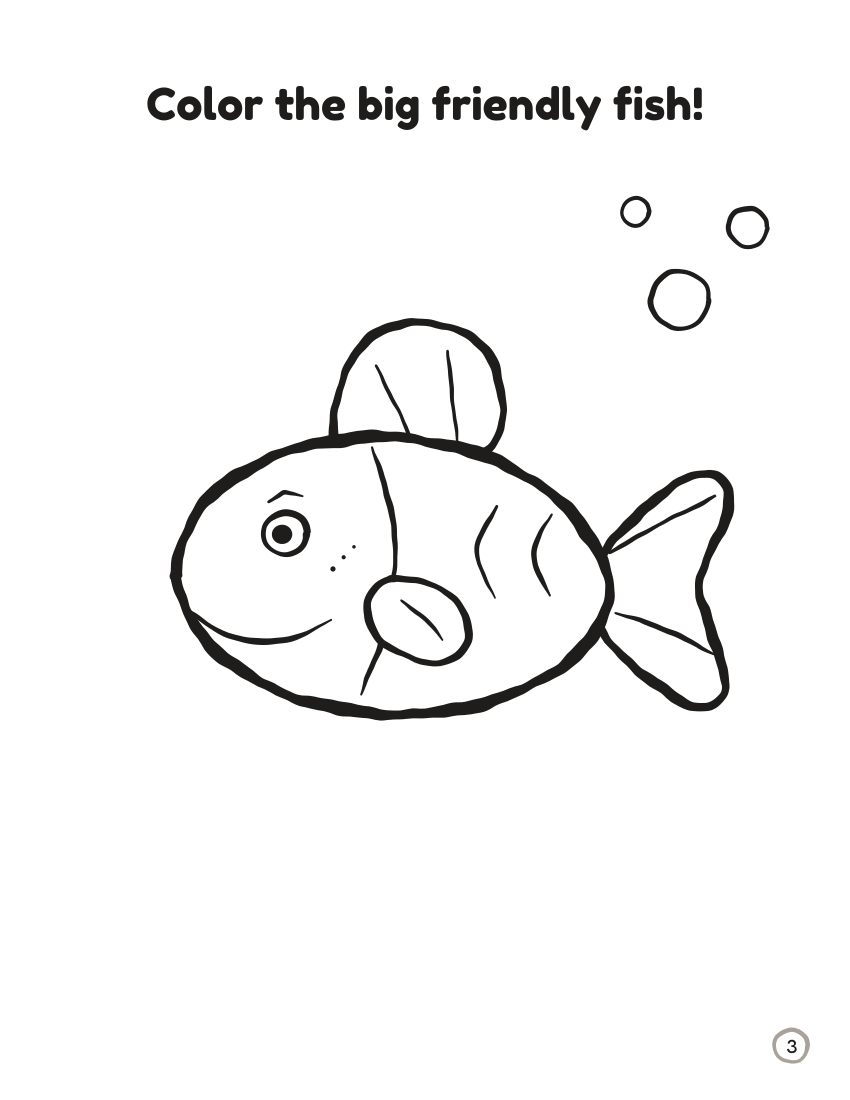
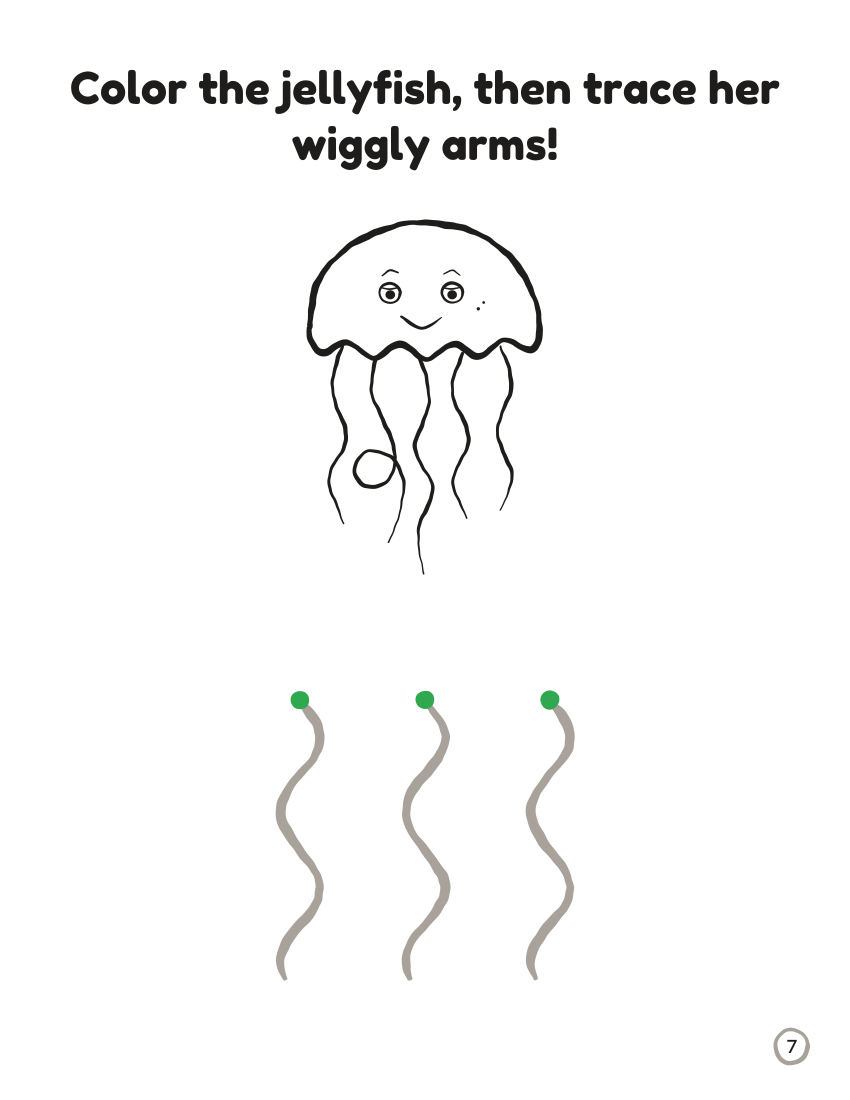
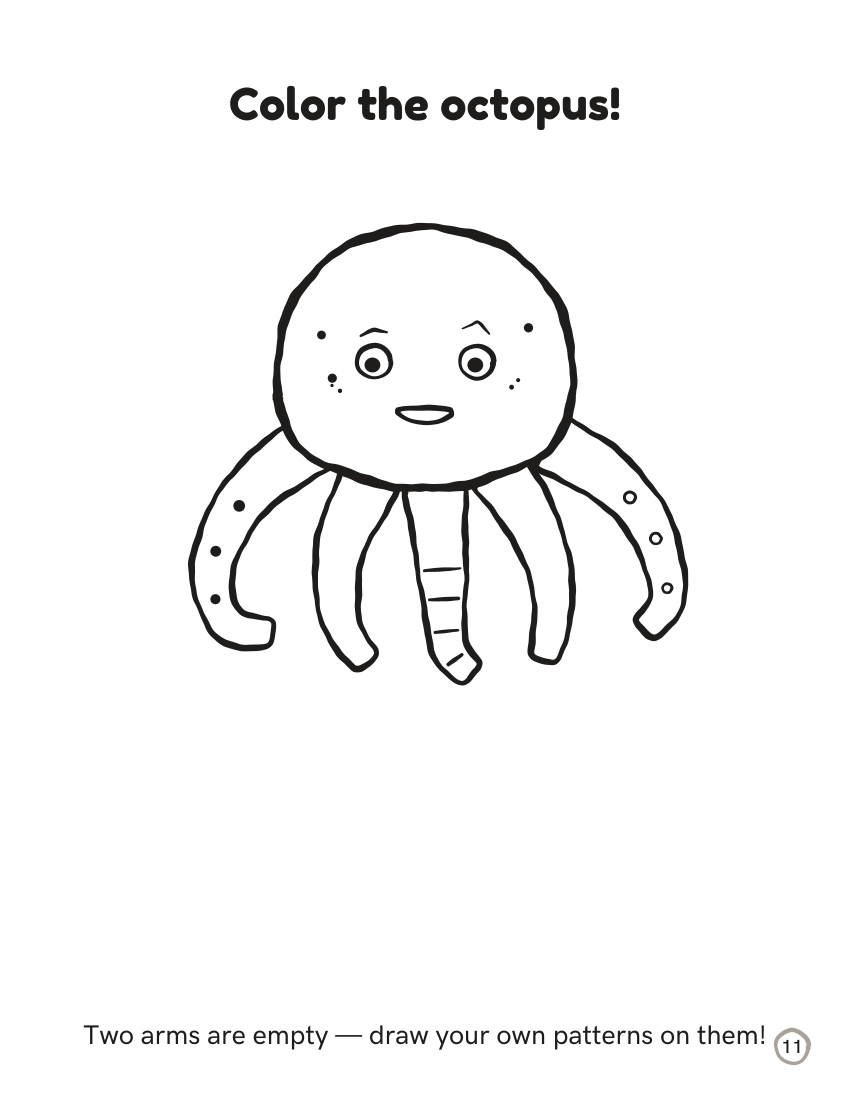
Four complete pages from Splash!.
Why it is built this way
Three design decisions, and the research each one came from.
The lines change as the book goes on
Mature crayon grips rise from roughly half of children at age three to about nine in ten by age six. The line weight in Splash! steps down across the book to meet that curve rather than ignore it.
Schneck & Henderson, 1990
Not just coloring — tracing, copying, and drawing too
Coloring on its own is a weaker signal of visual-motor development than copying shapes. So every few pages hand the crayon back to the child: copy this shell, draw your own creature.
Huang et al., 2023 · Longcamp et al., 2005 · James & Engelhardt, 2012
Open space on purpose
The book ends with a blank frame and the invitation to draw a sea creature nobody has seen before. Open-ended drawing space is the honest answer to the old worry that coloring books crowd out invention.
Randall & Draper, 1981